
Running a business comes with a lot of moving parts — finances, compliance, risk, operations. In the middle of it all, it can be easy to let the fundamentals slip. That’s where assurance and audit processes step in. They’re not just about ticking boxes. Done well, they give you a clear picture of where your business actually stands, and what you need to do to stay on solid ground.
At their core, assurance and audit are about confidence. Assurance gives stakeholders — including business owners, boards, investors, and regulators — the certainty that financial information and internal processes are accurate and reliable. Audit, on the other hand, is the structured process used to examine that information and reach that conclusion.
Together, they form the backbone of good governance. Whether you’re a growing small business, a not-for-profit, or a large organisation, having a proper audit and assurance function in place protects you from risk, improves decision-making, and builds trust with those who matter most.
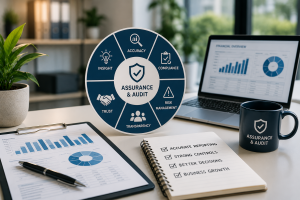
When most people hear the word “audit,” they think of something stressful and disruptive. In reality, working with the right team makes the process far smoother than expected. Professional audit assurance services go beyond reviewing numbers — they help you understand how your organisation is performing, identify gaps in controls, and highlight areas where improvements can be made.
This kind of proactive approach turns the audit process into something genuinely useful. Instead of just confirming what happened in the past, it helps you plan better for the future.
If you’re based in Queensland, finding a provider who understands the local regulatory environment and business landscape makes a real difference. Accessing reliable audit services Queensland businesses can count on means working with a team that’s familiar with the specific challenges and opportunities in your region — from local government requirements to industry-specific obligations.
Proximity also means easier communication, faster turnaround, and a working relationship built on genuine understanding rather than a one-size-fits-all approach.
One of the most common audit types businesses engage with is the external audit. Unlike an internal review conducted by your own team, an external audit is carried out by an independent third party. This independence is exactly what gives it credibility.
External audits are often required by law, lenders, or stakeholders — but their value goes well beyond compliance. An independent set of eyes can spot things that internal teams miss, and the process itself often drives meaningful improvements in how a business manages its finances and operations.
One of the biggest misconceptions about audit and assurance is that it’s a once-a-year formality. In truth, the most resilient businesses treat it as an ongoing commitment. Regular auditing builds a track record of accountability and transparency that stakeholders trust over time.
It also means problems are caught earlier — before they become costly — and that the organisation is always operating with accurate, up-to-date information. In a business environment where things change quickly, that kind of clarity is invaluable.
1. What is the difference between assurance and audit?
Audit is the process of examining financial records and internal controls. Assurance is the broader outcome — the confidence that stakeholders gain from that examination. They work together, with the audit providing the evidence and assurance being the result.
2. How often should a business have an external audit?
Most businesses that require a statutory audit complete one annually. However, the right frequency depends on your industry, the size of your organisation, and what your stakeholders or regulators require.
3. Do small businesses need audit assurance services?
Not all small businesses are legally required to have an audit, but many benefit from assurance services even when it’s not mandatory. It helps with accurate financial reporting, investor confidence, and identifying internal risks early.
4. What should I look for in audit services in Queensland?
Look for a team with local knowledge, relevant industry experience, and a clear process for communication. A good provider will explain what they’re doing and why, not just hand you a report at the end.
5. How long does an external audit take?
The timeline varies depending on the size and complexity of your organisation. A straightforward audit might take a few weeks, while larger or more complex engagements can take longer. Your auditor should give you a clear timeline upfront.
Whether you’re preparing for your first audit or looking for a more reliable long-term partner, the team at Assurance and Audit is here to help. We work with organisations of all sizes across Queensland to deliver audit and assurance services that are practical, thorough, and genuinely useful.
Get in touch today to find out how we can support your business.