Choosing Quality Makes a Real Difference
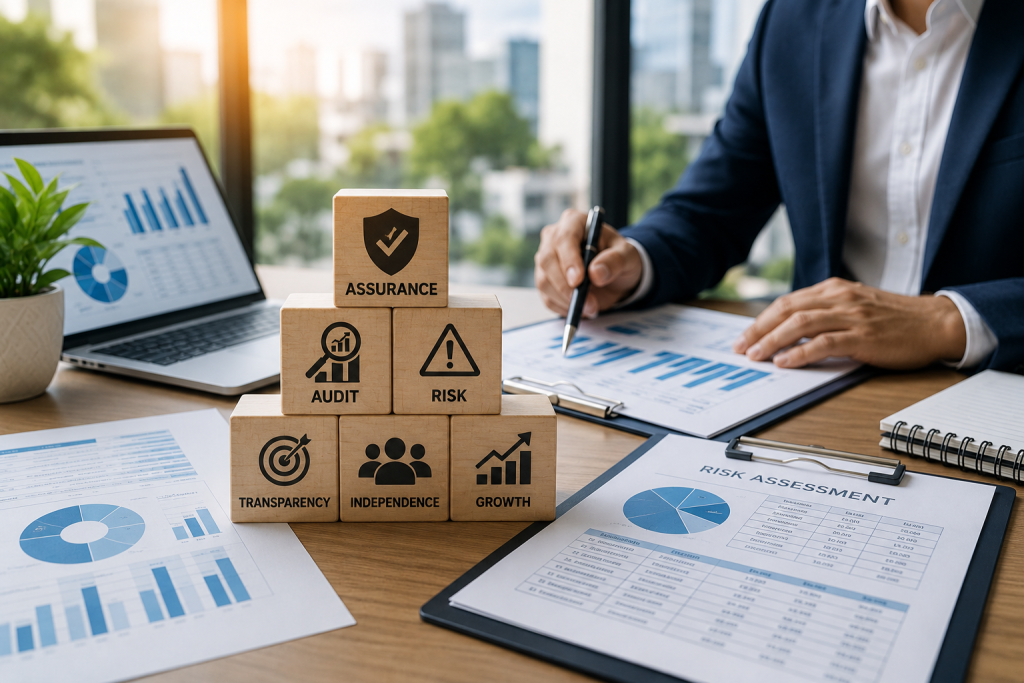
Not all audit services are built the same way. Engaging providers that offer quality audit and assurance services means you’re getting more than a technical sign-off — you’re getting a team that takes the time to understand your organisation, your risks, and your goals. The difference between a thorough, well-communicated process and a rushed, box-ticking exercise is significant, particularly when it comes to the insights and recommendations that come out the other side.
High-quality assurance work translates into better decisions, cleaner reporting, and a much stronger position when dealing with investors, lenders, or regulators.
The Importance of Working With Independent External Auditors
Independence is one of the defining features of a credible audit. When you bring in external auditors, you’re bringing in professionals who have no vested interest in what the numbers say. That objectivity is exactly what gives their findings weight — and what makes them valuable to the stakeholders who rely on your financial reporting.
External auditors also bring a broader perspective. Having worked across a range of businesses and industries, they often identify patterns and risks that internal teams — who are close to the day-to-day — might not notice. Their observations can be genuinely eye-opening, and the best ones communicate those findings in a way that’s practical and actionable.
Managing Risk in South East Queensland
For businesses operating in South East Queensland, risk management is an increasingly important part of staying competitive and compliant. Accessing professional Risk Consulting services in South East Queensland gives organisations a structured way to identify, assess, and respond to the risks that matter most to them.
Risk consulting isn’t about creating lengthy reports that sit in a drawer. It’s about building practical frameworks that help businesses make smarter decisions every day — and ensuring that those decisions are based on clear, accurate information rather than guesswork.
Bringing It All Together
The most effective organisations don’t treat audit, assurance, and risk management as separate functions. They see them as connected parts of a broader commitment to accountability and good governance. When those elements work together, the result is a business that’s not only compliant — but genuinely well-run.
That’s the kind of outcome that builds confidence among stakeholders, protects against unnecessary risk, and positions an organisation for sustainable growth over the long term.
Frequently Asked Questions
1. What does quality audit and assurance services actually involve?
It includes a thorough review of financial statements, internal controls, and compliance obligations, combined with clear communication and actionable recommendations. Quality service means the process is tailored to your organisation — not just a generic template.
2. Why is it important to use external auditors rather than an internal review?
External auditors provide independence, which is essential for credibility. Internal reviews are useful, but they can’t offer the same level of objectivity that an outside professional brings — particularly in the eyes of investors, boards, and regulators.
3. What does risk consulting involve? Risk consulting involves identifying the specific risks facing your business, assessing their potential impact, and developing practical strategies to manage or mitigate them. It can cover financial, operational, compliance, and reputational risks.
4. How do assurance services differ from a standard audit?
An audit is one type of assurance engagement — typically focused on financial statements. Assurance services are broader and can cover a range of areas including internal controls, compliance frameworks, and performance reporting.
5. Is risk consulting relevant for small and medium businesses?
Absolutely. Smaller businesses often face the same types of risks as larger organisations, but with fewer resources to manage them. Risk consulting helps smaller teams focus on what matters most and build practical, proportionate responses to the risks they face.
Work With a Team That Gets It
At Assurance and Audit, we bring practical, independent expertise to businesses across South East Queensland and beyond. From quality assurance services to external auditing and risk consulting, we’re here to support your organisation with clear advice and a thorough, professional approach.
Contact us today to discuss your audit and assurance needs — we’d love to hear from you.